
Kris Kristofferson songs helped reshape country music through honest storytelling, poetic lyrics, and themes of love, freedom, faith, regret, and loneliness. As both a performer and songwriter, Kristofferson created classics such as “Me and Bobby McGee,” “Sunday Mornin’ Comin’ Down,” “Help Me Make It Through the Night,” “For the Good Times,” and “Why Me.” Many of his compositions became even more famous through recordings by artists including Janis Joplin, Johnny Cash, Ray Price, and Sammi Smith. His ability to write emotionally direct songs gave him influence far beyond his own albums and secured his place among America’s most respected songwriters.
Quick Bio
| Detail | Information |
|---|---|
| Full Name | Kristoffer Kristofferson |
| Known As | Kris Kristofferson |
| Date of Birth | June 22, 1936 |
| Date of Death | September 28, 2024 |
| Age at Death | 88 years old |
| Birthplace | Brownsville, Texas, United States |
| Nationality | American |
| Profession | Singer-songwriter, musician, and actor |
| Music Genres | Country, outlaw country, folk, and country rock |
| Famous Songs | “Me and Bobby McGee,” “Why Me,” “Sunday Mornin’ Comin’ Down,” and “Help Me Make It Through the Night” |
| Known For | Poetic songwriting, influential country music, and a successful acting career |
| Notable Group | The Highwaymen |
| Spouse | Lisa Meyers |
| Children | Eight |
The Songs That Defined Kristofferson’s Career
Kris Kristofferson songs became known for combining country storytelling with unusually thoughtful, literary writing. His breakthrough came from songs that focused on real emotion, flawed characters, personal freedom, and everyday struggles rather than polished or idealized themes. That approach helped him stand out during a period when Nashville songwriting was becoming more adventurous.
Several compositions became career-defining standards, including “Me and Bobby McGee,” “Sunday Mornin’ Comin’ Down,” “Help Me Make It Through the Night,” “For the Good Times,” and “Why Me.” Some were bigger hits for other singers, while others strengthened Kristofferson’s reputation as a performer. Together, these songs established him as one of the most influential American songwriters of his generation.
Nashville Turned a Soldier Into a Songwriter
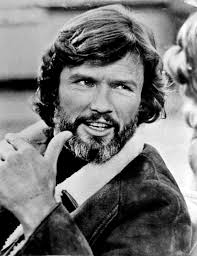
Before Kris Kristofferson became known for his songs, he had already built an unusual background that included military service, academic achievement, and time as a U.S. Army helicopter pilot. After leaving the military, he moved to Nashville and committed himself to songwriting, even though the decision meant starting over professionally.
He took jobs around the music industry while trying to get his material heard by established artists. That persistence eventually paid off as singers began recording his work and recognizing the strength of his writing. Nashville gave Kristofferson the setting where his life experience, literary instincts, and country influences came together, transforming him from a former soldier into one of the era’s most respected songwriters.
Me and Bobby McGee Became a Cross-Genre Classic
“Me and Bobby McGee” became one of the most recognizable Kris Kristofferson songs and a defining example of his songwriting style. Co-written with Fred Foster, the song tells a bittersweet story about freedom, companionship, and loss, themes that appeared throughout Kristofferson’s work.
The song reached an even wider audience when Janis Joplin recorded her version, which became a major hit after her death. Its success pushed Kristofferson’s writing beyond traditional country music and into rock and popular culture. Over time, “Me and Bobby McGee” became closely associated with both artists, proving how strongly Kristofferson’s lyrics could connect with performers and listeners across different genres.
Sunday Mornin’ Comin’ Down Changed Country Storytelling
“Sunday Mornin’ Comin’ Down” became one of the most important Kris Kristofferson songs because of its raw, realistic look at loneliness, regret, and ordinary life. The lyrics follow a man moving through a quiet Sunday morning while reflecting on isolation and the consequences of the night before.
Johnny Cash’s recording brought the song to a much larger audience and helped turn it into a country standard. What made the track stand out was its willingness to describe uncomfortable emotions without romanticizing them. Kristofferson’s conversational writing made the narrator feel real and vulnerable, influencing a generation of country songwriters who wanted to tell more personal, imperfect, and emotionally honest stories.
Help Me Make It Through the Night Brought Grammy Success
“Help Me Make It Through the Night” became one of the most successful Kris Kristofferson songs and strengthened his reputation as a major Nashville songwriter. The ballad combines vulnerability, loneliness, and romantic desire in a simple style that made the lyrics feel unusually direct for country music at the time.
Sammi Smith’s recording turned the song into a major country hit and helped introduce Kristofferson’s writing to an even broader audience. The composition earned Kristofferson a Grammy Award for Best Country Song, marking an important milestone in his career. Its success also inspired numerous later recordings, showing how easily his songwriting could cross between artists, generations, and musical styles.
For the Good Times Found Life Through Ray Price

“For the Good Times” became another major example of how Kris Kristofferson songs often reached their biggest audiences through other performers. Kristofferson wrote the reflective ballad about the end of a relationship, capturing sadness and acceptance without turning the moment into exaggerated heartbreak.
Ray Price recorded the song and transformed it into a major country success, helping establish Kristofferson as one of Nashville’s most valuable songwriters. Price’s smooth vocal style gave the composition a different character while preserving the emotional strength of the lyrics. The song later attracted numerous other performers, reinforcing Kristofferson’s ability to write material that could survive different voices, arrangements, and generations.
Why Me Became His Biggest Personal Country Hit
“Why Me,” often known as “Why Me Lord,” became the biggest country hit Kris Kristofferson recorded under his own name. The song stood apart from many of his earlier compositions because it centered on faith, humility, and personal reflection rather than romance or restless freedom.
Kristofferson’s simple delivery gave the track a deeply personal quality, helping it connect with both country and gospel audiences. Its commercial success proved that he could achieve major recognition not only as a songwriter for other artists, but also as a performer. Among Kris Kristofferson songs, “Why Me” remains especially important because it captured his spiritual side while becoming one of the strongest chart achievements of his recording career.
Lovin’ Her Was Easier Showed His Romantic Side
“Lovin’ Her Was Easier (Than Anything I’ll Ever Do Again)” revealed a softer, more romantic side of Kristofferson’s writing. Instead of focusing on regret, hardship, or spiritual reflection, the song centers on admiration and the emotional ease of loving someone deeply.
Its warm imagery and gentle tone helped balance the rougher themes found in many Kris Kristofferson songs. The track also showed how naturally he could move between emotional styles without losing his distinctive voice as a songwriter. Over time, “Lovin’ Her Was Easier” became one of his best-known love songs and another example of his ability to write personal lyrics that felt simple, memorable, and emotionally direct.
Rita Coolidge Duets Expanded His Songbook
Kris Kristofferson’s collaborations with Rita Coolidge added a different dimension to his music during the 1970s. Their recordings blended his rough, conversational style with Coolidge’s smoother vocals, creating a sound that was more intimate and polished than much of his solo work.
The pair released successful duet albums and became especially known for songs such as “From the Bottle to the Bottom” and “Lover Please.” These collaborations helped Kris Kristofferson songs reach listeners who were drawn to softer country-pop arrangements and vocal chemistry. The duets also strengthened his reputation as a versatile performer who could move comfortably between solo storytelling and partnership-driven songs.
The Highwaymen Opened a New Musical Chapter

Joining The Highwaymen gave Kris Kristofferson a new creative chapter later in his career. The country supergroup brought him together with Johnny Cash, Willie Nelson, and Waylon Jennings, combining four distinctive voices that had already helped shape outlaw country.
The group’s success introduced Kristofferson to another generation of listeners and gave his songwriting legacy a broader stage. Songs associated with The Highwaymen carried themes of freedom, mortality, travel, and independence that matched his own writing style well. For fans exploring Kris Kristofferson songs, this period shows how naturally his music fit within a larger tradition of rebellious, story-driven country songwriting.
Famous Artists Took His Songs Further
Many Kris Kristofferson songs became classics after other performers brought their own voices and styles to his writing. Janis Joplin turned “Me and Bobby McGee” into a No. 1 hit, while Johnny Cash helped make “Sunday Mornin’ Comin’ Down” a country standard. Ray Price found major success with “For the Good Times,” and Sammi Smith reached a wider audience with “Help Me Make It Through the Night.”
These recordings showed the versatility of Kristofferson’s songwriting. His lyrics could work across country, rock, folk, and pop because the emotions at their center remained universal, allowing different artists to interpret the songs without losing their original strength.
Deep Cuts Reveal More of His Writing
Beyond the best-known hits, Kris Kristofferson songs include many deeper album tracks that reveal the full range of his writing. Songs such as “The Pilgrim, Chapter 33,” “To Beat the Devil,” “Casey’s Last Ride,” and “Darby’s Castle” show his talent for building characters, emotional tension, and vivid scenes within a few verses.
These lesser-known recordings often feel more personal and literary than his biggest commercial songs. They explore disappointment, independence, loneliness, and the complicated choices people make. For listeners who know only the famous covers, these deep cuts offer a clearer picture of Kristofferson as a songwriter whose strongest work was not limited to chart success.
Love, Freedom, Faith, and Loneliness Shaped His Lyrics

Love, freedom, faith, and loneliness appeared again and again across Kris Kristofferson songs, giving his writing a recognizable emotional core. He often wrote about people searching for meaning, dealing with regret, or choosing independence even when that freedom came with a personal cost.
Romantic songs such as “Help Me Make It Through the Night” showed vulnerability, while “Why Me” explored humility and spiritual reflection. Other songs focused on restless characters, broken relationships, and the loneliness that can follow personal choices. These recurring themes made Kristofferson’s writing feel deeply human and helped his songs remain relevant long after their original release.
Why Kris Kristofferson Songs Still Endure
Kris Kristofferson songs continue to connect with listeners because they were built around emotions and experiences that do not depend on a particular era. His writing focused on love, regret, faith, freedom, loneliness, and personal struggle, giving the songs a timeless quality that still feels relatable today.
Another reason for their lasting appeal is the simplicity of his storytelling. Kristofferson could express complicated emotions without making his lyrics feel distant or overly polished. His songs also gained new life through recordings by artists across country, rock, folk, and pop. That combination of strong writing, memorable characters, and emotional honesty has kept his music influential for generations.
Frequently Asked Questions
What are the most famous Kris Kristofferson songs?
“Me and Bobby McGee,” “Why Me,” “Sunday Mornin’ Comin’ Down,” and “Help Me Make It Through the Night” are among his best-known songs.
Did Kris Kristofferson write Me and Bobby McGee?
Yes. He co-wrote the song with Fred Foster.
What was Kris Kristofferson’s biggest hit as a singer?
“Why Me” became his biggest country hit as a solo performer.
Who made Me and Bobby McGee famous?
Janis Joplin’s recording became the most famous version.
Did Johnny Cash record Kris Kristofferson songs?
Yes. Johnny Cash famously recorded “Sunday Mornin’ Comin’ Down.”
Which Kris Kristofferson song won a Grammy?
“Help Me Make It Through the Night” earned him a Grammy for Best Country Song.
Was Kris Kristofferson part of The Highwaymen?
Yes. He performed with Johnny Cash, Willie Nelson, and Waylon Jennings.
Why are Kris Kristofferson songs still popular?
Their honest lyrics, strong storytelling, and universal themes continue to connect with listeners.
Conclusion
Kris Kristofferson songs remain an important part of American country music because they combined strong storytelling with emotional honesty. From “Me and Bobby McGee” and “Sunday Mornin’ Comin’ Down” to “Why Me” and “Help Me Make It Through the Night,” his writing explored love, regret, faith, freedom, and loneliness in a way that felt deeply personal.
His influence also grew through the many artists who recorded his work and introduced it to new audiences. Kris Kristofferson songs continue to endure because the emotions behind them are timeless, while his songwriting style still inspires country, folk, rock, and Americana performers today.
Read more celebrity profiles on VipsMagazine.