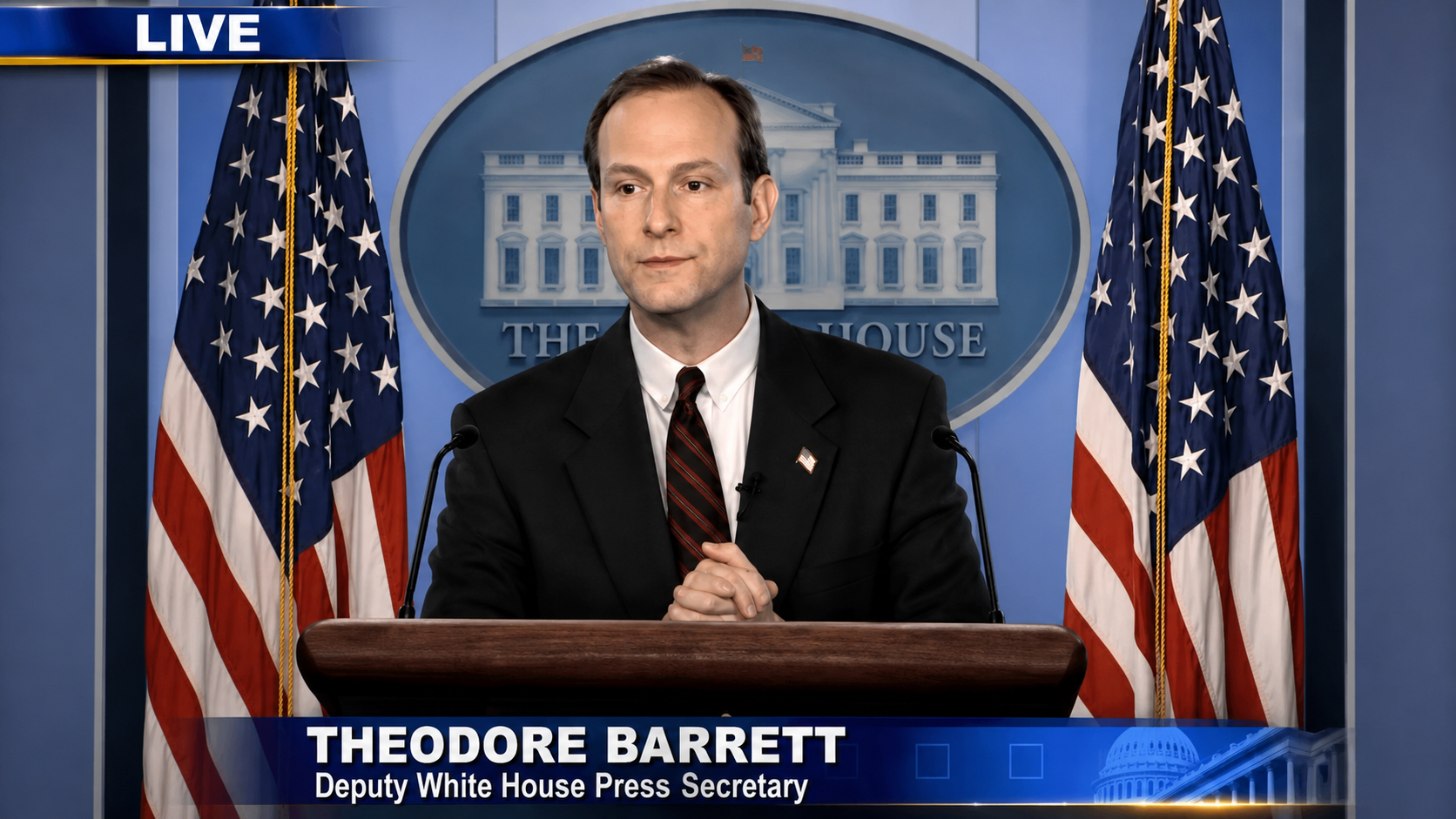
Searches for Theodore Barrett have increased over the years because of a widely shared story claiming he was a White House official involved in a tragic personal event. The story has circulated across websites, social media, and video platforms, leaving many people wondering whether it is based on real events or internet fiction. Unfortunately, much of the information online is presented without proper context, making it difficult to separate fact from rumor.
This article examines what can be verified about Theodore Barrett, explains the origins of the viral claims, and highlights what reliable public records actually show. Rather than repeating unsupported stories, it focuses on confirmed information, helping readers understand why this name continues to attract attention online.
Quick Bio
| Detail | Information |
|---|---|
| Name | Theodore Barrett |
| Known For | Being associated with a widely circulated online White House story |
| Claimed Role | Often described online as a White House official, but this has not been verified through reliable public records |
| Nationality | Not publicly confirmed |
| Profession | Not publicly confirmed |
| Public Status | Subject of an internet hoax and viral misinformation |
| Viral Topic | Fictional White House press briefing and related claims |
| Reliable Public Information | Extremely limited |
| Current Status | No verified public information confirming the identity presented in the viral story |
| Best Described As | A name linked to a long-running internet hoax that is frequently mistaken for a real public figure |
Who Is Theodore Barrett?
The name Theodore Barrett is widely associated with a viral video that appears to show a White House official calmly addressing reporters shortly after the supposed death of his wife. Because the clip looks realistic, many viewers have assumed it documents an actual government press briefing. In reality, that assumption is incorrect.
The widely circulated “Theodore Barrett” featured in the video is a fictional character created for satire by The Onion, a publication known for producing comedic news content. No verified White House records show that a Deputy Press Secretary by that name served in the role described in the video, and the tragic events portrayed never occurred.
The confusion surrounding Theodore Barrett highlights how convincing satirical content can become once it is shared without context. Rather than representing a real public official, the character has become an enduring example of how internet satire can be mistaken for genuine news years after it was first published.
Why Theodore Barrett Became an Internet Talking Point
Theodore Barrett became an internet talking point because the fictional White House story was presented in a way that looked remarkably authentic. The realistic setting, formal language, and convincing press briefing format led many viewers to believe they were watching a genuine news clip. As the video spread across social media, blogs, and video-sharing platforms, it was often reposted without its original satirical context.
The confusion grew as people searched for more information and encountered websites repeating the story without verifying its accuracy. This cycle of resharing helped keep the name alive long after the original satire was published. Today, Theodore Barrett is frequently discussed not because of a real political career, but because his story demonstrates how easily convincing fictional content can be mistaken for factual reporting online.
The Viral White House Press Briefing Story Explained
The viral White House press briefing featuring Theodore Barrett was designed to imitate the style of an official government news conference. In the clip, Barrett appears to answer reporters’ questions while supposedly responding to a personal tragedy with unusual composure. That unexpected contrast is what made the story memorable and encouraged people to keep sharing it.
The problem is that many viewers encountered the video without knowing its original source. Once it was copied to different websites and social media platforms, important context was often removed, making the fictional scenario appear authentic. Over time, countless people searched for Theodore Barrett, believing they had discovered a forgotten moment in White House history. In reality, the briefing was part of a satirical narrative, not an actual government event, illustrating how easily realistic storytelling can blur the line between entertainment and factual reporting.
Is Theodore Barrett a Real White House Official?
Based on available public records, there is no credible evidence that Theodore Barrett served as a White House Deputy Press Secretary or held the position commonly described in the viral story. The character became well known through satirical content that was later shared across the internet without proper context, leading many people to mistake fiction for fact.
Official White House records and reliable historical sources do not support the claims made in the widely circulated narrative. This is why reputable fact-checks identify the story as fictional rather than a forgotten political event. Anyone researching Theodore Barrett should rely on trusted sources instead of reposted videos or articles that repeat the satirical claims without verification.
What Public Records Actually Confirm
Public records do not confirm the central claims made in the viral Theodore Barrett story. There is no verified evidence that a White House Deputy Press Secretary named Theodore Barrett served in the role described in the widely shared video. Historical records from the George W. Bush administration identify other officials in those positions, not Theodore Barrett.
What public records do confirm is that the viral press briefing originated as satirical content created by The Onion, not as an actual White House event. The publication is well known for producing fictional news stories presented in a realistic format, which has led some readers to mistake satire for genuine reporting.
For that reason, any biography or account describing Theodore Barrett as a real government official should be treated with caution unless it is supported by credible, verifiable sources.
The Fiction Behind the Viral Claims
The story surrounding Theodore Barrett was never intended to document a real event. It was written as satire, using realistic dialogue, official-looking settings, and a serious tone to parody the way government press briefings are often presented. Without the original context, however, many readers assumed the events and the people involved were genuine.
As the story spread across different websites and social media platforms, it became separated from its satirical origins. Some posts copied only parts of the narrative, while others presented it as a true news report without checking the source. This gradual loss of context is what turned a fictional character into a subject of widespread online confusion. Understanding the satirical nature of the original story helps explain why so many claims about Theodore Barrett cannot be verified through reliable public records.
How the Theodore Barrett Story Spread Online
The Theodore Barrett story spread online through repeated sharing rather than new reporting. After the original satirical piece was published, copies of the video and written story began appearing on blogs, forums, social media platforms, and video-sharing websites. In many cases, the original source or disclaimer was removed, making it difficult for readers to recognize that the content was fictional.
Search engines also played a role by indexing reposted versions, allowing the story to reach new audiences years after it first appeared. As more people searched for answers, additional websites republished the claims, sometimes without verifying them. This created a cycle in which internet curiosity kept the story alive, even though no reliable evidence ever emerged to support the viral narrative as a real historical event.
Why So Many People Believe the Story
Many people believe the Theodore Barrett story because it looks and sounds like a genuine news report. The professional setting, official language, and realistic presentation make it easy to assume the events actually happened. Most viewers do not expect satirical content to closely imitate government press briefings, so they naturally accept the story at face value.
Another reason the claim continues to spread is that it is often shared without any explanation of its origin. Once the original context disappears, readers may rely on reposts, short video clips, or social media comments instead of checking reliable sources. This shows how convincing misinformation can become when realistic storytelling is combined with repeated online sharing, making critical fact-checking more important than ever.
Lessons About Verifying Information on the Internet
The story of Theodore Barrett is a useful reminder that not everything shared online is accurate, even when it appears convincing. A professional-looking video, a formal press conference, or a well-written article does not automatically make the information true. Before accepting or sharing a viral story, it is worth checking whether trusted news organizations, official government websites, or reputable fact-checking sources have confirmed the claims.
Developing simple fact-checking habits can prevent misinformation from spreading. Looking at the original source, comparing reports from multiple reliable outlets, and checking publication dates are often enough to identify misleading content. In the case of Theodore Barrett, these basic steps quickly reveal that the widely shared story originated as satire rather than an actual White House event.
Common Myths vs Verified Facts
Confusion surrounding Theodore Barrett has led to several myths being repeated as facts. Separating verified information from internet rumors makes it easier to understand what actually happened.
| Myth | Verified Fact |
|---|---|
| Theodore Barrett was a real White House Deputy Press Secretary. | No credible public records confirm that a White House official by that name held the role described in the viral story. |
| The press briefing shown in the viral video was a genuine government event. | The widely shared briefing originated from satirical content, not an official White House press conference. |
| Theodore Barrett’s personal tragedy was based on real events. | There is no reliable evidence supporting the claims made in the fictional narrative. |
| Numerous websites reporting the story make it true. | Repeated online posts do not verify a claim. Reliable information should come from official records and trusted news sources. |
| The viral story is part of U.S. political history. | The story is widely recognized as internet satire that was later shared without its original context. |
Understanding the difference between myths and verified facts helps readers avoid misinformation and evaluate viral stories more carefully before accepting them as true.
Why Theodore Barrett Continues to Trend in Search Results
The name Theodore Barrett continues to appear in search results because people are still trying to determine whether the viral story is real. Each time the video or related posts are shared on social media, a new wave of readers searches for background information, hoping to verify the claims. This ongoing curiosity keeps the topic active, even though the story has been debunked.
Search interest is also fueled by misleading headlines and recycled content that present the fictional narrative as factual. Readers who encounter conflicting information often turn to search engines for clarification. As a result, Theodore Barrett remains a frequently searched topic, not because of a verified public role, but because many people are seeking trustworthy explanations that distinguish internet fiction from documented facts.
The Lasting Impact of an Internet Hoax
The Theodore Barrett story shows how a single piece of satirical content can continue influencing online conversations long after its original publication. Once the story was separated from its source, it took on a life of its own, with countless reposts, edited videos, and rewritten articles introducing it to new audiences. Even years later, many readers still encounter the claims without realizing they began as fiction.
The lasting impact of this internet hoax extends beyond one viral name. It demonstrates how easily misinformation can spread when content is copied without context or verification. For readers, the story serves as a reminder that checking reliable sources before accepting dramatic claims is essential. In today’s digital world, careful fact-checking is one of the most effective ways to prevent false information from being mistaken for history.
Conclusion
The story of Theodore Barrett is less about a real public official and more about how easily satire can be mistaken for genuine news. Although the viral claims have circulated for years, credible public records do not support the narrative presented in the widely shared videos and articles. Understanding the origins of the story helps separate verified facts from internet fiction.
For anyone researching Theodore Barrett today, the most reliable approach is to rely on official records, trusted news organizations, and reputable fact-checking sources. Doing so not only provides a clearer picture of this viral topic but also reinforces the importance of verifying information before accepting or sharing it online.
FAQs About Theodore Barrett
Who is Theodore Barrett?
Theodore Barrett is a name widely associated with a viral White House story that has circulated online for years. The version most people encounter originates from satirical content rather than a verified historical event.
Was Theodore Barrett a real White House official?
There is no credible public evidence confirming that Theodore Barrett served as the White House Deputy Press Secretary described in the viral story. Official records do not support that claim.
Why did the Theodore Barrett story become so popular?
The story gained attention because it was presented in a highly realistic format. As it was repeatedly shared online without its original context, many people believed it was based on real events.
Is the viral Theodore Barrett press briefing authentic?
No. The widely shared press briefing is based on satirical content and should not be considered an authentic White House news conference.
What can readers learn from the Theodore Barrett story?
The story highlights the importance of checking reliable sources before believing or sharing viral content. Even convincing videos and articles can be fictional when they are taken out of context.